For a long time, selling art meant one thing: getting a gallery to represent you. Today that is no longer true. More artists than ever are choosing to sell art without a gallery, keeping full control of their work, their prices, and their relationships with collectors. If you have felt shut out by the gallery system, frustrated by high commissions, or simply ready to build a career on your own terms, this guide is for you. It walks through exactly how to sell your work independently, from getting your art ready to reaching collectors and closing the sale.
You do not need permission from anyone to start. You need a clear process, and that is what follows.
Why more artists are selling without a gallery
The traditional path was narrow. Representation was hard to get, fiercely competitive, and even when you landed it, the gallery took a large share of every sale. Commissions typically run between 40% and 50%, which means that on a $2,000 painting, half could go to someone other than the person who made it.
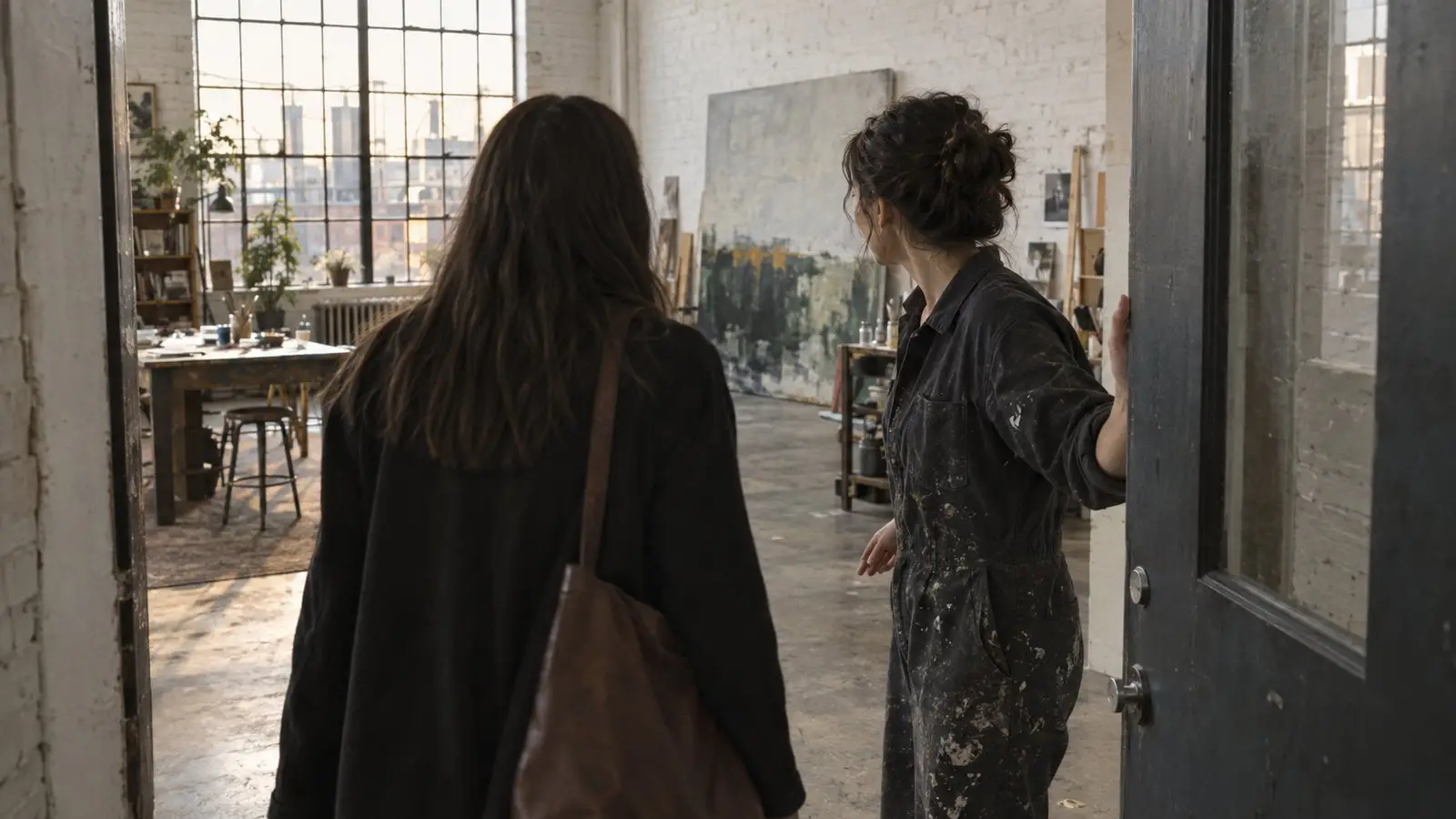
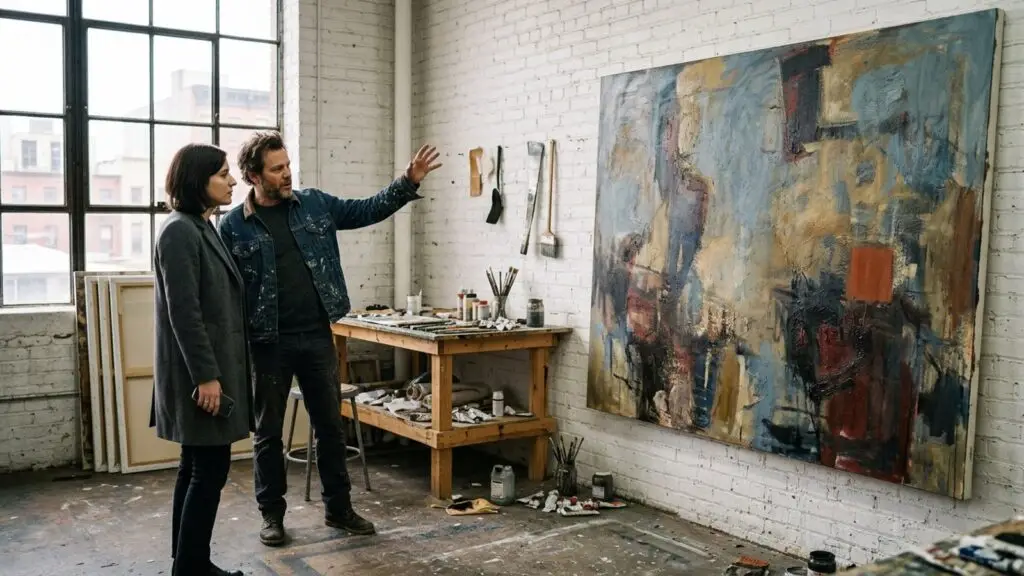
Meanwhile, the way collectors buy has changed. Buyers increasingly want to discover artists directly, learn the story behind a piece, and deal with the maker rather than a middleman. Studio visits, once reserved for insiders, have become a normal part of how people find and buy work. Selling without representation is no longer a fallback for artists who cannot get a gallery. For many, it is a deliberate choice.
The appeal comes down to three things: you keep more of what you earn, you control your own prices, and you own the relationship with every person who buys your work. If you want a closer look at the trade-off, see our breakdown of gallery versus selling direct.
What you gain, and what you give up
It would be dishonest to pretend selling independently is all upside. Here is the balanced picture.
What you gain:
- More income per sale. No commission means you keep the full price, minus any small payment or platform fees.
- Control over pricing. You decide what your work is worth and when to raise your prices.
- Direct relationships. Collectors become part of your world, not the gallery’s. They come back, and they refer others.
- Creative freedom. No pressure to make work that fits a gallery’s program.
What you take on:
- The business side. Photography, pricing, promotion, invoicing, and shipping become yours to manage.
- Building your own credibility. Without a gallery’s name behind you, you build trust through your own presentation and consistency.
- Finding your own collectors. No one hands you an audience, so you grow one.
Many artists do not choose one path forever. They sell art independently while staying open to the right gallery opportunity. The point is that you are no longer waiting for permission to sell.
The practical guide: how to sell art without a gallery
Here is the full process, step by step. Work through it in order and you will have a working system, not just good intentions.
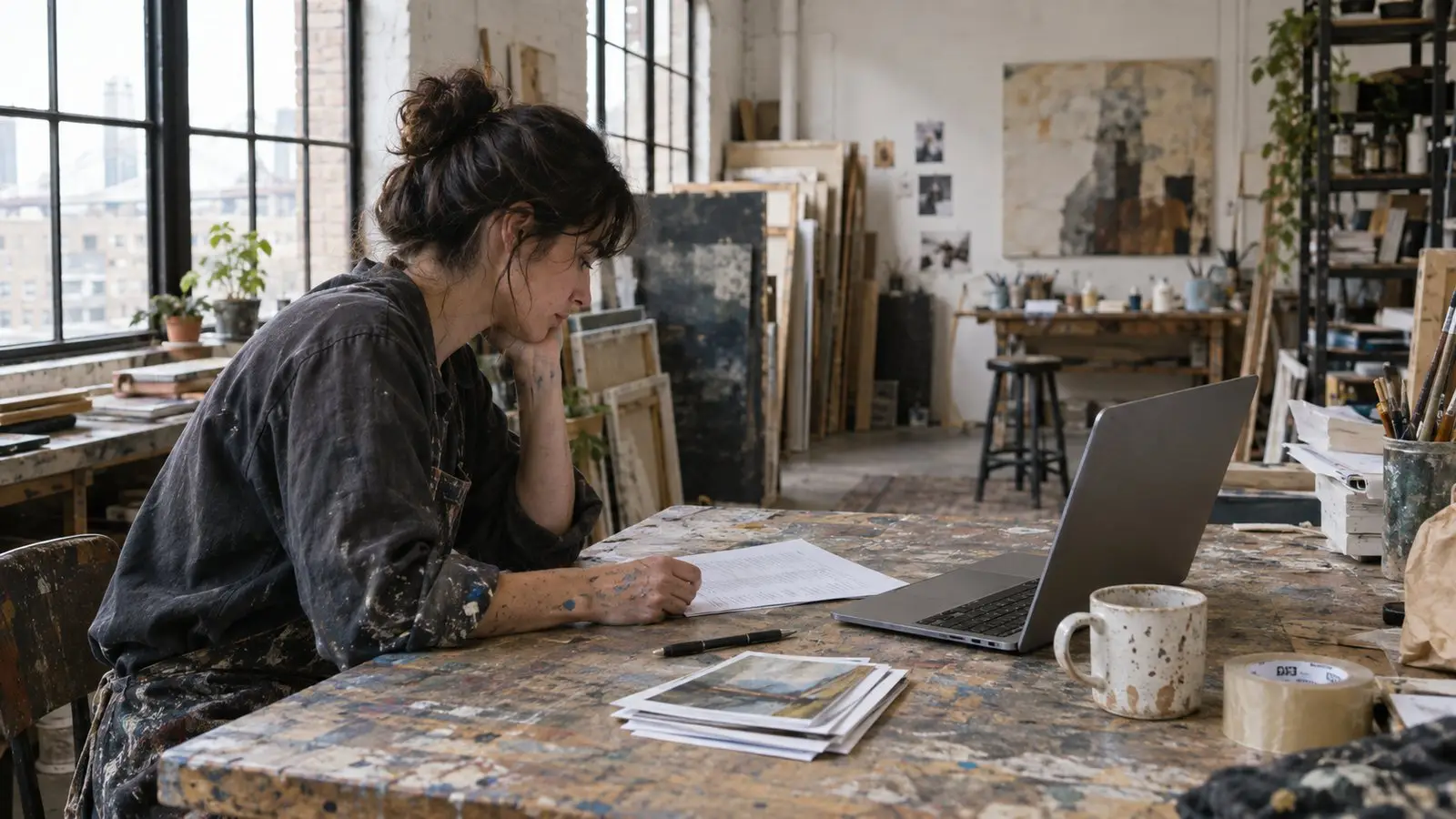
Step 1: Get your work ready to sell
Before anything sells, it needs to be presentable and organized.
Photograph every available piece clearly and consistently. Good images are the single biggest factor in selling online, so treat this seriously. Our guide on how to photograph your artwork covers the setup in detail.
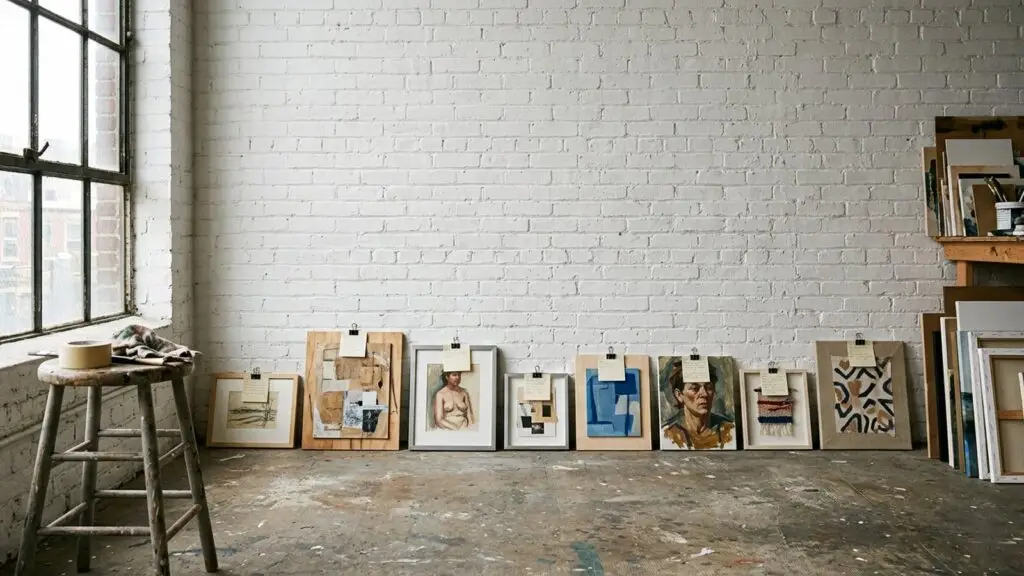
Then catalog your inventory. For each piece, record the title, year, medium, dimensions, and price, and note whether it is available, sold, or reserved. A simple spreadsheet is enough to start. This becomes the backbone of everything you sell.
Step 2: Price your work with confidence
Pricing is the part most artists dread, and getting it wrong in either direction costs you. Priced too low, you undervalue your work and struggle to raise prices later. Priced too high without a track record, pieces sit unsold.
A common starting method is to price consistently by size or by a formula you can defend, then adjust as demand grows. This is a big topic, so we cover it fully in how to price your art. The key principle: set prices you can stand behind and keep them consistent across every channel.
Step 3: Build a home for your work
Collectors need one trusted place to see your work, learn about you, and reach you. Social media is not enough on its own, because posts disappear and algorithms decide who sees them.
A dedicated studio profile solves this. It presents your available work, your story, and a clear way to get in touch, all in one place you control. Setting up your atelier profile well is worth the effort, because it is where every other channel sends people. Create your free studio profile to give your work a permanent home, and see how HEYATELIER works for the full picture.
Step 4: Get in front of collectors
With your work ready and a home base in place, it is time to reach buyers. The most effective channels for independent artists are:
- Studio visits. Meeting collectors in your space is the highest-converting way to sell, because people connect with the work and the maker at once. Learn how to get more studio visits.
- Instagram and social media. A focused presence that shows your work and your process builds an audience that actually buys. See Instagram for artists.
- Selling directly to collectors. Knowing how to handle the conversation and the close makes all the difference. Our guide on how to sell art directly to collectors walks through it.
- Open studios and local events. These put you in front of buyers who are already there to discover and purchase art.
You do not need all of these at once. Pick one or two, do them well, and add more over time.
Step 5: Make the sale and handle the logistics
When someone wants to buy, keep it simple and professional.
Be open about price, confirm the payment method, and send a short invoice with the piece details. Then sort out delivery: whether the work is collected in person or shipped, and whether it needs framing. Packing and shipping art safely is a skill worth learning, and we cover it in the emerging artist’s guide to selling art online.
Finally, keep a record of every sale: who bought what, when, and for how much. This protects you and lays the groundwork for the next step.
Step 6: Turn one sale into a lasting relationship
The artists who thrive without a gallery are not constantly chasing strangers. They sell again and again to people who already love their work.
After a sale, follow up with a thank you and stay in touch. Build a simple mailing list so you can tell past buyers about new work first. Collectors who feel like part of your journey come back, and they bring others. Here is how to build a mailing list of collectors.
How much more can you earn selling direct?
The math is the clearest argument for selling on your own terms. Here is the same set of sales through a gallery taking a 45% commission versus selling direct.
| Sale price | Through a gallery (45% cut) | Selling direct |
|---|---|---|
| $500 | $275 | $500 |
| $1,000 | $550 | $1,000 |
| $2,000 | $1,100 | $2,000 |
| $5,000 | $2,750 | $5,000 |
Even after small payment or platform fees, the difference over a year of sales is substantial. For a deeper look at keeping your full earnings, see commission-free art sales.
A simple 30-day plan to get started
If the full process feels like a lot, do not try to do everything at once. Here is a realistic first month.
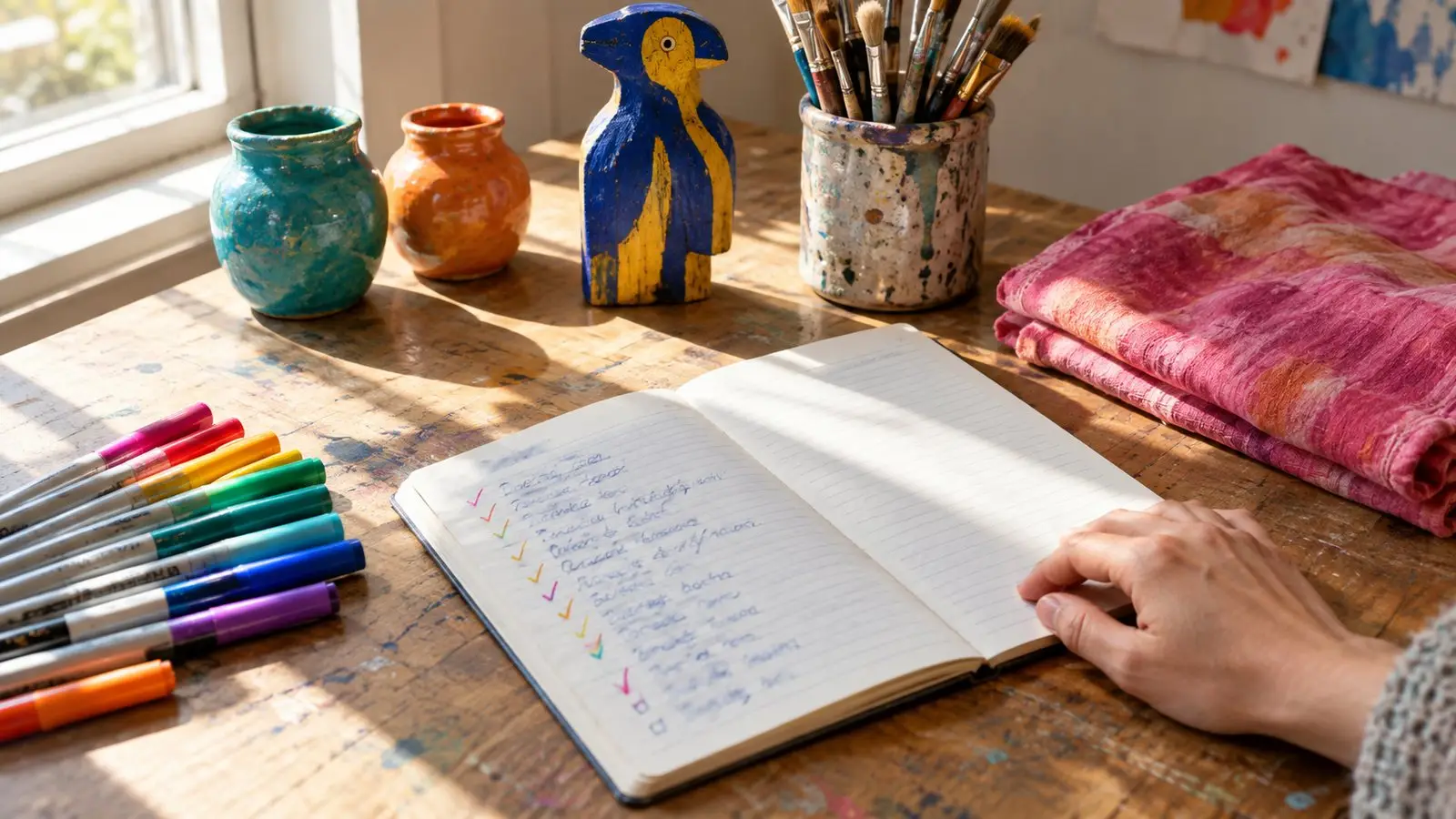
- Week 1: Photograph and catalog your available work. Decide what is for sale and set consistent prices.
- Week 2: Set up your studio profile and write a short, honest artist statement. Give your work a home online.
- Week 3: Choose one channel to reach collectors, either studio visits or social media, and start showing up consistently.
- Week 4: Reach out to anyone who has shown interest before, and invite a few people to see your work. Make your first ask.
By the end of the month you will not just be ready to sell art without a gallery. You will have started.
Common myths about selling without a gallery
“You need a gallery to be taken seriously.” Collectors care about the work and the artist, not about who represents you. A strong, professional presentation earns trust on its own.
“Selling direct means endless self-promotion.” It means consistent, focused effort in a few channels, not shouting into the void. A good studio profile does much of the work for you.
“Collectors will not pay real prices without a gallery.” They will, when your pricing is consistent and your work is presented well. Removing the commission often means better value for the collector and more income for you.
“It is all admin and no art.” The business side is real, but it is a system you set up once and refine. Most of it takes far less time than making the work itself.
Frequently asked questions
Can you really sell art without a gallery? Yes. Many artists build sustainable careers selling directly to collectors through studio visits, their own profile, and social media. The tools to do it are more accessible than ever.
Is it unprofessional to sell directly? Not at all. Direct selling is now a normal and respected path. What matters is presenting your work and handling sales professionally, not whether a gallery is involved.
How do gallery commissions actually work? A gallery typically takes between 40% and 50% of the sale price in exchange for representation, promotion, and access to their collectors. Selling direct means you keep that share.
Do I need a website to sell art without a gallery? You need one trusted place collectors can find your work and contact you. A dedicated studio profile does this without the cost and upkeep of a custom site.
Can I sell directly and still work with galleries? Yes. Many artists do both, selling independently while remaining open to the right gallery opportunity. Selling direct keeps your options open.
Start selling on your own terms
You do not need to wait for a gallery to build a career from your art. Get your work ready, price it with confidence, give it a home, and start reaching collectors directly.
The first step is the easiest one. Create your free studio profile, and give collectors a place to discover your work and reach you today.