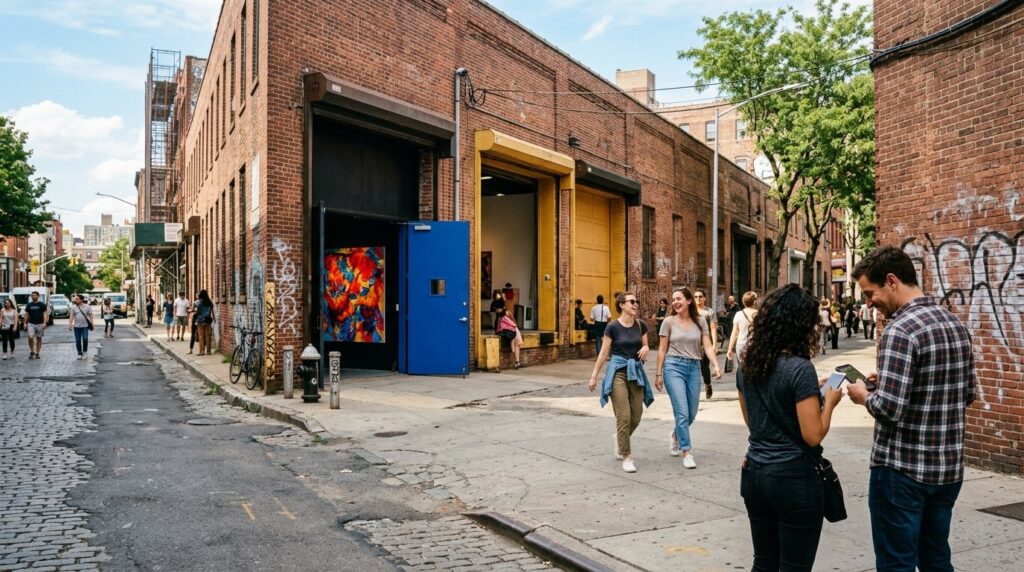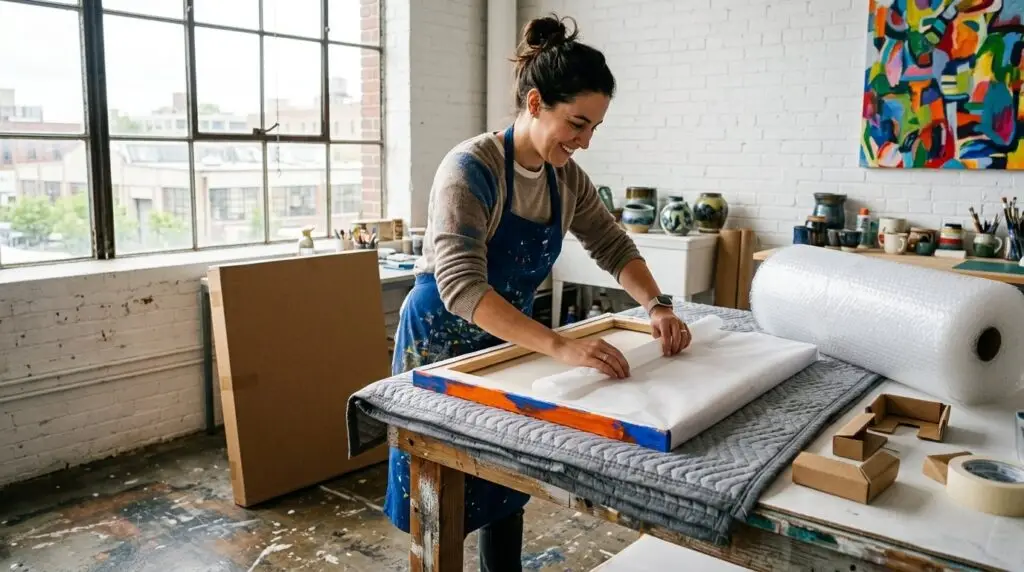
The visit went well. They looked for a long time, asked good questions, and left saying they would think about it. Then nothing. Most artists stop here, because following up feels like chasing. It is not. A good follow up is a thank you with one useful piece of information in it, and most people are glad to get one.
This chapter covers when to send something, what it should say, and what not to do.
1. Why it is worth doing
Many sales do not happen during the visit. They happen days or weeks later, when someone is standing in their living room and remembers the painting. A short message keeps you and the work in their mind at that moment.
If you worry it will come across as pushy, the research is on your side. In a series of experiments, people who wrote thank you messages consistently underestimated how positive the recipients would feel, and overestimated how awkward it would be (Kumar and Epley, 2018). The recipients cared about the warmth of the gesture, not about how well it was written.
2. When to send it
- Within 24 to 48 hours. Soon enough that they remember your studio clearly, late enough that it does not feel like you were waiting by the door.
- Through the channel they used. If they wrote to you through your HEYATELIER page, answer there. If they gave you an email address and said you could use it, use that.
- Only to people who gave you a way to reach them. Someone who walked in during open hours and left without a word does not get a message. That is fine. Your page is still there for them.
3. What it should say
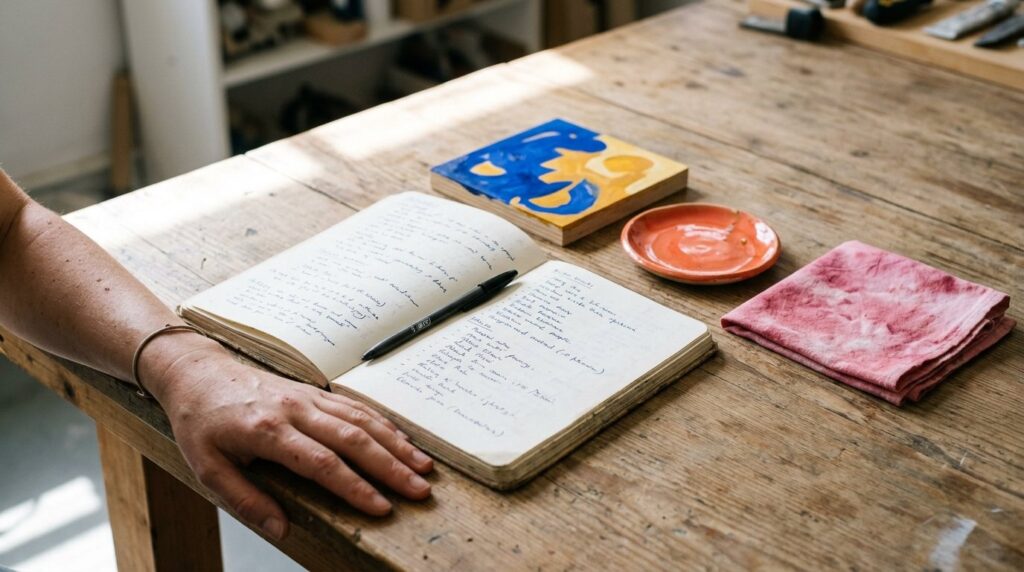
Three short parts. Use the notes you made right after the visit.
- Thanks, with one specific detail so it is clearly not a template.
- One useful thing: a better photo of the piece they stopped at, the size and price if they asked, or the date of your next open day.
- An easy close that does not ask for anything.
4. Three messages you can copy
After a good visit, no sale discussed
Hi [name], thanks for coming by on Saturday. It was good to hear what you thought of the [description] pieces, especially [the one they kept going back to].
I have put a few more photos of that series on my page, including the one that was still wet. My next open day is [date], if you ever want another look.
Thanks again for making the trip.
When they asked about a price
Hi [name], thanks for visiting yesterday. As promised, here are the details of [title]: [size], [medium], [price], [framed or unframed].
I have attached a photo in daylight so you can see the color properly. If you would like it, I can hold it for you until [date].
Either way, it was good to meet you.
When they wanted to be kept posted
Hi [name], thanks for coming to the studio. You asked me to let you know about new work: I am starting a new series in [month], and my next open day is [date].
I will only write when there is something to see.
5. What not to do
- Do not send a discount. A follow up with a lower price tells them the first price was not real. If they want to negotiate, they will ask. Replying to your first message has a ready answer for that.
- Do not send your whole portfolio or your cv. One or two images of what they actually looked at.
- Do not ask if they have decided. “Have you thought about the painting?” puts them on the spot. Give information, not questions they have to answer.
- Do not add them to a mailing list without asking. Only write regularly to people who said yes to it.
- Do not follow up more than once. If they do not reply, one gentle note about a week later is the maximum, then let it go. People go quiet for reasons that have nothing to do with you.
6. The longer game
Some of your best buyers will visit two or three times before they buy anything. That is not a failed sale. It is how trust with an artist gets built.
- Keep a simple list of visitors who agreed to hear from you: name, date of visit, the work they liked, how to reach them.
- Write when something real happens: a new series, a show, an open day, a Weekend. Not every month for the sake of it.
- If a piece someone loved is about to be sold to someone else, it is fine to let them know once. “Someone is interested in [title], I wanted to give you the chance first” is honest, and it is only fair if it is true.
The short version
- Send it within 24 to 48 hours, through the channel they used
- Only to people who gave you a way to reach them
- Thanks, one specific detail, one useful thing, an easy close
- No discounts, no cv, no “have you decided?”
- One follow up at most, then let it go
- Keep a list of people who want to hear from you, and write only when there is something to see
Sources
- Kumar, A., and Epley, N. (2018). Undervaluing gratitude: Expressers misunderstand the consequences of showing appreciation. Psychological Science, 29(9), 1423 to 1435.